
Top tips for safe paddling whatever the weather
Every year, more people are taking up paddling to enjoy being out and about on the water all year round.
Whether you enjoy a summer paddle or taking advantage of a crisp winter morning, it is important to stay safe.
We have teamed up with Paddle UK to provide you with some top tips on how to stay safe on the water, whatever the weather.
Stay safe on the water
If you are thinking about heading out on your canoe, kayak or paddleboard to make the most of the water, following these top five pieces of advice will help you stay safe on the water.
1. Check the weather before you go
If you are making plans for a paddling trip, check the weather forecast and plan accordingly. Make sure you wear enough layers for the temperature, with extra layers just in case and a set of waterproofs in case it rains. If it is sunny, don’t forget your sun cream and plenty of water to keep hydrated.
By checking the forecast, you will also be able to spot any weather that could be dangerous to paddle in. You should avoid paddling in a thunderstorm. Offshore winds, winds that blow away from the shoreline into deeper water, should also be avoided. The weather can also affect the tides and the currents, so don’t forget to check these at the same time.
If the weather doesn’t look good, then think about changing your plans to a better day.
2. Know your limits
Always take your skill level into account when planning your trip. Think about where you are going to paddle and ask these questions:
- Do you have the experience and skills for the water you are planning to paddle on?
- Do you have the right kit to be paddling in that location?
One of the key skills required is to be able to identify which safety kit you might need, from the correct leash for the environment to knowing when to wear a helmet.
3. Tell someone where you're going
Once you know where you are heading, let people know your plans. Let them know where you are going and the time you expect to be back. Don’t forget to let the person know when you have returned! You could ask them to join you, the more people on the water with you the safer it could be.
4. Always wear a buoyancy aid
Whether you are on a paddleboard, canoe, or kayak, there is always a possibility that you might find yourself separated from your craft. Regardless of your swimming strength, wearing a buoyancy aid is the most essential safety step you can take. These aids are available in a wide range of styles and sizes, making it easy to find a comfortable fit that suits your needs. Before heading out, ensure your buoyancy aid is appropriate for the environment and always keep it fastened securely.
5. Carry a mobile phone
Take your mobile phone with you so you can call for help if you get in trouble. You can put it in a waterproof pouch to keep it dry and in an emergency call 999. If you are at the coast, ask for the coastguard. If you are inland, ask for the fire service.
Winter paddling
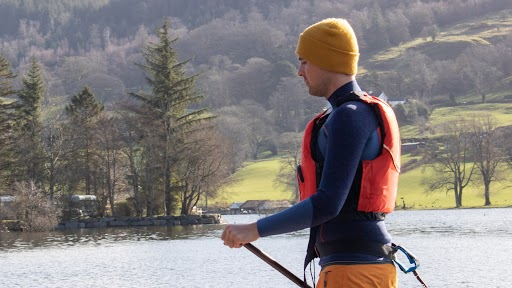
If you decide to continue paddling through the winter, Paddle UK have some top tips on things you’ll need to consider before braving the cold weather.
The first thing on the list is thinking about what to wear to keep you warm on the water. Along with your buoyancy aid here are a few winter essentials:
- Layers: Temperatures can vary over winter, so layers are a way to keep warm whatever the weather. Choosing thermal base layers can be a game changer!
- Pogies and neoprene mitts or gloves: Pogies are a paddlers favourite as they can keep your hands relatively dry and keep the wind chill off them. Some people will also opt for neoprene mitts or gloves underneath as well.
- Thick, good quality cag: Cags are like a waterproof coat, except they usually have waterproof seals on the neck and wrists to prevent the water getting in. If you have one already, double check it for any holes or tears before you head out on the water.
- A woolly hat: Your body loses most of its heat through the head so a woolly hat can be the difference to staying warm
- Thick neoprene boots: These will help keep your toes from getting too cold and cramped
- Dry clothes and a warm coat or waterproof changing robe: This is for after your paddle, helping to keep you warm and dry after you get off the water.
If you plan to do lots of winter paddling, then a drysuit could be a worthwhile investment. They keep you warm and dry and are good for canoeing, kayaking or stand up paddleboarding, making your paddle much more enjoyable.
Paddle UK have lots of information and articles on how to stay safe and enjoy your time on the water, whatever the weather: https://paddleuk.org.uk/